





Events
GSA Arts and Humanities Forum. Humanistic AI and Humanistic Gerontology: Issues for Researchers
Background image to illustrate events.
Our Journals
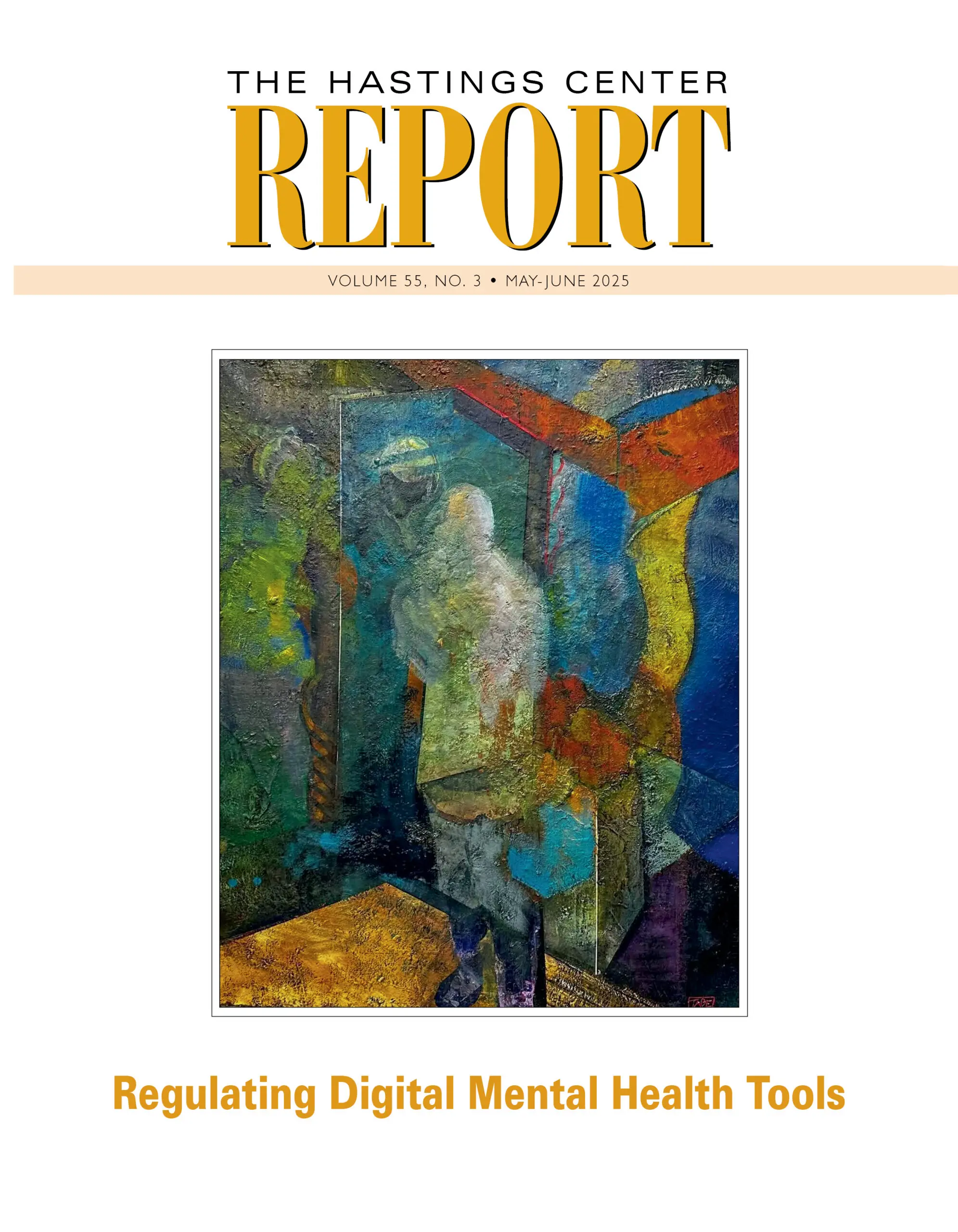
The Hastings Center Report
The Hastings Center Report explores the ethical, legal, and social issues in medicine, health care, public health, and the life sciences.
- Why We Can Thrive past Seventy-Five: In Favor of Efforts to Extend the Human Lifespan
- “Who Carries the Responsibility for Health Care Carbon Reduction?”
- Digital Mental Health Tools and AI Therapy Chatbots: A Balanced Approach to Regulation
- Governance of Direct-to-User Digital Mental Health Tools: Emphasizing Transparency over Paternalism
- The Ethics of Humanlikeness in AI Therapy Chatbots
- The Fundamental Fallacy of “Empathic AI”
- Finding Disability in Everyday Life
- Daoist Views on Disability and Genetic Intervention
- Genetics and Scientific Values
- Genetics and Scientific Values: Aaron Panofsky, Kushan Dasgupta, Nicole Iturriaga, and Bernard Koch Reply

Ethics & Human Research
Ethics & Human Research (formerly IRB: Ethics & Human Research) aims to foster critical analysis of issues in science and health care that have implications for human biomedical and behavioral research, including developments that bring new challenges to existing ethical, regulatory, and policy frameworks governing research with humans in the United States and elsewhere.
- Engaging Sub-Saharan African Migrants in Social and Health Studies in Australia: Research and Ethical Challenges
- Acceptability and Feasibility of Using Educational Incentives for Research Participation to Advance Antiracism
- Revisiting the Obligation to Share Aggregate Results with Research Participants in the Era of Open Science
- Our Theater of Anonymity
- Reconsidering Open-Ended Consent for Biospecimen and Health Record Research in the United States and Europe
Special Reports
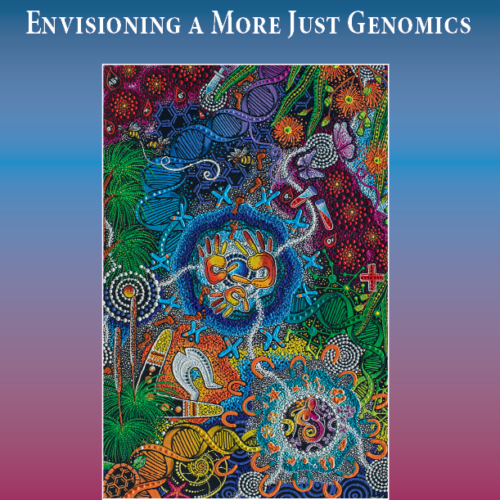
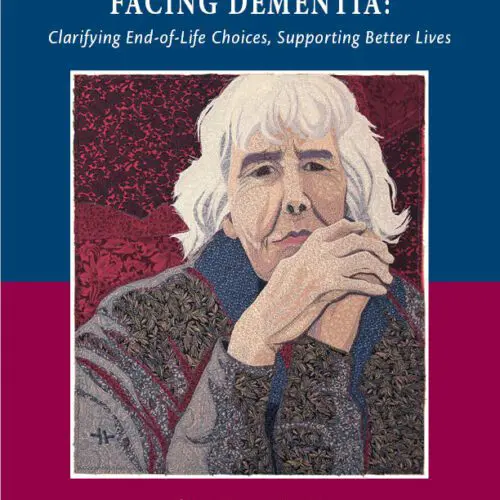
Special Reports to the Hastings Center Report present the results of research projects. Reports may be single-authored or collections of essays prepared by members of project working groups, consensus documents, or lively conversations among those who reached differing moral conclusions about a project’s central questions.
Bioethics Briefings
Bioethics Briefings contain overviews of issues of high public interest, such as abortion, racism and health equity, climate change, and medical aid-in-dying. The briefs, written by leading bioethicists, are nonpartisan, describing topics from a range of perspectives that are grounded in scientific facts.
- Abortion
- Racism and Health Equity
- Environment, Ethics, and Human Health
- Medical Aid-in-Dying
- Public Health Ethics and Law
- End-of-Life Care
- Law Enforcement and Genetic Data